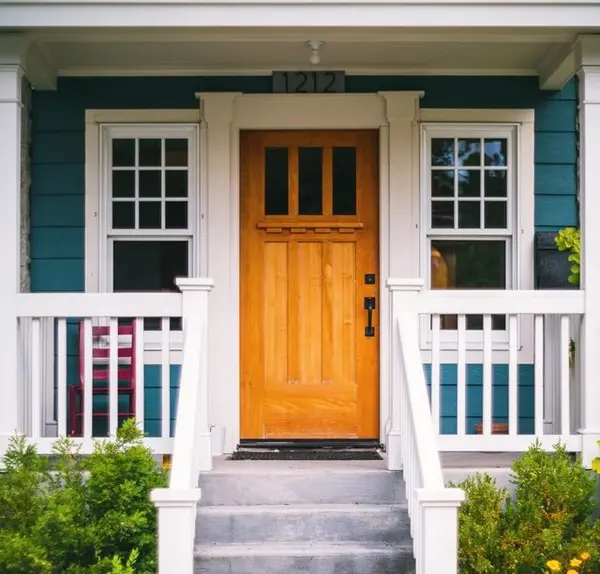
The Pitfalls of Personal Property
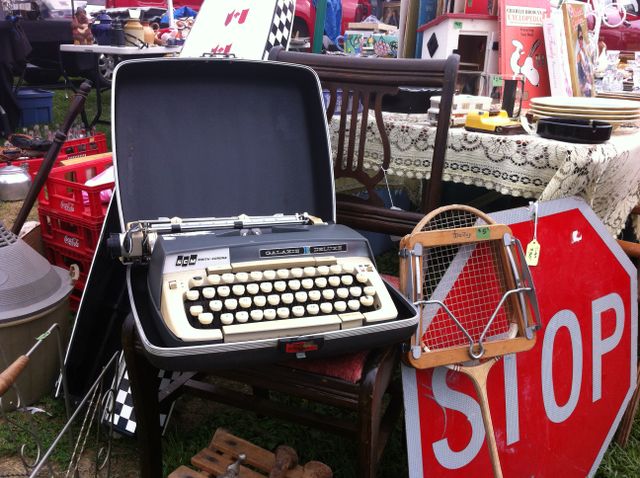
The Pitfalls of Personal Property: Why Your Treasures and Your Home Sale Should Stay Separate
When you sell a home, you're selling more than four walls and a roof — you're often letting go of a place filled with memories, and sometimes, memory-filled things. The antique armoire. The chandelier your grandmother left you. The custom shelving your late husband built with his own hands. It's natural to want those pieces to matter in the sale, or to feel like they should be part of the deal somehow. But in my 25+ years brokering real estate in Oregon, I've watched many closings get complicated — or nearly derailed — by personal property. Here's what every seller should understand before mixing sentiment with a sales contract:
Fixtures vs. Personal Property: The Line That Matters
Real estate contracts draw a firm line between two categories:
- Fixtures — items permanently attached to the property (built-in lighting, mounted shelving, installed cabinetry) — automatically convey with the home unless specifically excluded in the contract.
- Personal property — anything not attached (furniture, decor, freestanding appliances, collections) — does not convey unless specifically included.
That "included/excluded items" section of your contract isn't boilerplate. It's the difference between a smooth closing and a dispute that shows up the week you're supposed to hand over keys.
Where Sellers Get Into Trouble
Bundling items into the purchase price. It's tempting to think, "I'll just add the dining set and ask $5,000 more." But lenders finance real property, not furniture — appraisals don't account for personal items, and financing can stall or fall apart when buyers try to roll personal property value into the loan. Worse, it can look like an attempt to disguise a seller concession or inflate the comps, which invites scrutiny you don't want mid-transaction.
Overestimating sentimental value. This is the one I see most often, and it's the hardest to hear: the items that mean the most to you rarely mean much to a buyer. Most buyers want a clean, move-in-ready home — not someone else's furniture, however beautiful or well-loved. Trying to negotiate a beloved piece into the deal usually just slows everything down, and buyers can sense when a seller is emotionally attached to an item still in the house. It rarely helps your negotiating position.
Vague language that becomes a fight later. "The chandelier stays" means nothing if there are three chandeliers in the house, or if it was only ever said out loud and never written into the contract. Ambiguity here is exactly the kind of thing that turns into an earnest money dispute or a last-minute walk-through standoff.
Leftover items and liability. Leaving things behind — intentionally or by oversight — raises questions nobody wants to answer at closing: Who's responsible for disposal? Does leaving it imply some kind of promise about its condition? An "as-is" sale can get murky fast when personal property is involved but never addressed.
What to Do Instead
The cleanest transactions keep real property and personal property in separate lanes:
- Sell it separately. An estate sale, online marketplace, or consignment shop will almost always net you more clarity — and sometimes more money — than trying to fold an item into your home sale.
- Take it with you. If it matters that much, it belongs with you, not with the house.
- Give it away outright — in writing. If you genuinely want to leave something for the buyer, document it clearly as conveying at no value, separate from the purchase price. That protects both sides and keeps the transaction itself clean.
- Let it go. Not every treasure needs a next chapter. Sometimes the kindest thing is to donate it and let someone else give it new life.
The Bottom Line
Your home sale is a legal and financial transaction. Your treasures deserve their own path — one that isn't tangled up in financing, appraisals, and contract language. Separating the two isn't unsentimental; it's actually the surest way to protect both the sale and the things you care about.
If you're preparing to sell and aren't sure what stays, what goes, or how to handle a piece that matters to you, that's exactly the kind of conversation worth having before the home ever hits the market.
Let's Talk Before You List
These are the details that get overlooked in a home sale — and the ones that can cause real headaches if they're not addressed early. If you're thinking about selling and want to walk through what should stay, what should go, and how to protect yourself along the way, I'd love to help you think it through. Reach out any time — I'm happy to have that conversation before you ever put a sign in the yard.